
A puddle around your water heater can quickly turn a normal day into a plumbing emergency. Whether you notice a few drops near the bottom of the unit or water spreading across the floor, a leaking water heater should never be ignored. Even a small leak can indicate a failing valve, loose connection, corrosion, or a damaged tank.
If you have a water heater leaking in Fort Myers, FL, the first step is determining where the water is coming from and how serious the problem may be. At Next Plumbing, we help homeowners identify the source of water heater leaks and determine whether the system needs a repair or replacement.
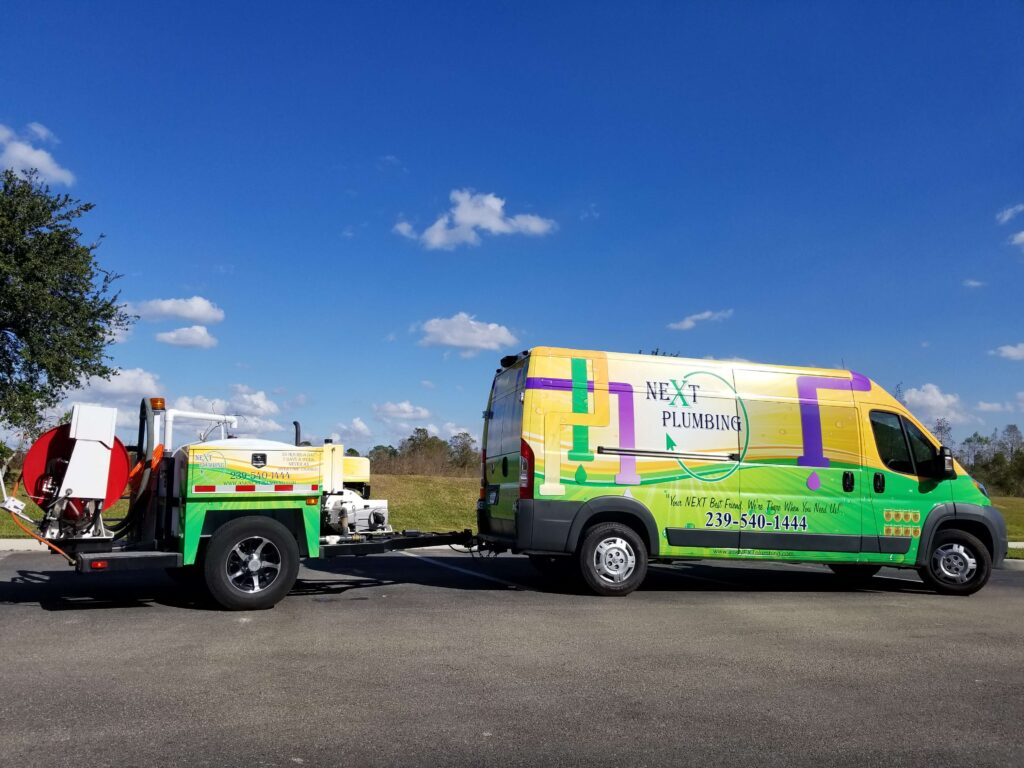
With over 30 years of experience, we’re committed to community-focused service, working alongside local charities and providing comprehensive plumbing services.
What Does a Leaking Water Heater Mean?
A leaking water heater usually means that a valve, fitting, connection, or the tank itself has developed a problem. Some leaks can be repaired, while water leaking from a corroded or damaged tank generally indicates that replacement may be necessary.
The location of the water is an important clue. Water around the top of the unit may point to a connection or pressure-related problem, while water coming from the bottom can indicate a drain valve issue or tank corrosion.
Because water heaters contain pressurized hot water, identifying the source accurately is important before deciding what repair is needed.
Common Causes of Water Heater Leaks
Several components can cause a water heater to leak. Understanding the possible sources can help you recognize when professional service is necessary.
Loose or Corroded Water Connections
Water enters and leaves the heater through supply connections. Over time, fittings and connections can become loose or corroded, allowing water to drip from the top or sides of the unit.
Signs may include:
- Moisture around the water inlet or outlet
- Small drops forming around pipe connections
- Rust or mineral deposits near fittings
- Water running down the outside of the tank
A leaking connection may be repairable, but corrosion should be evaluated to determine whether other components are affected.
A Leaking Temperature and Pressure Relief Valve
The temperature and pressure relief valve, commonly called the T&P valve, is an important safety component. It is designed to release water if pressure or temperature inside the tank becomes excessive.
If you see water coming from this valve or its discharge pipe, the problem should be evaluated promptly. A faulty valve may need replacement, but pressure-related issues can also contribute to repeated discharge.
The T&P valve should never be blocked, capped, or otherwise disabled. It serves an important safety function within the water heater system.
A Faulty Drain Valve
The drain valve is located near the bottom of a traditional tank-style water heater. It allows the tank to be emptied during maintenance or service.
If the valve does not close properly or its components have deteriorated, it can develop a slow drip. Water from this type of leak may collect in the drain pan or on the floor beneath the heater.
A persistent drain-valve leak should be inspected by a professional rather than ignored.
Corrosion Inside the Water Heater Tank
One of the more serious causes of a leaking water heater is corrosion of the tank itself.
Traditional tank water heaters contain a metal tank with a protective lining. As the system ages, corrosion can eventually compromise the tank. Once the tank itself begins leaking, replacing the water heater is often more practical than attempting to repair the tank.
Water pooling directly beneath the tank, particularly when no external valve or connection appears to be leaking, deserves prompt attention.
Where Is Your Water Heater Leaking From?
The location of the water can provide an important starting point for diagnosis.
Water Heater Leaking From the Top
Water near the top of the heater can be associated with:
- Loose inlet or outlet connections
- Corroded fittings
- A leaking T&P valve
- Water escaping from nearby plumbing
Because several components are located around the upper portion of the unit, professional inspection can help distinguish between a connection problem and a pressure-related issue.
Water Heater Leaking From the Bottom
Water beneath the heater can have several possible causes, including a leaking drain valve or a compromised tank.
If the tank itself is corroded and leaking, tightening an external fitting will not solve the underlying problem. This is one reason determining the exact source matters before deciding on a repair.
Water in the Drain Pan
A small amount of water in the drain pan is a warning sign that should not be dismissed. The pan may collect water from a leaking valve, connection, or other component.
If water continues accumulating, the leak needs to be identified and addressed before it causes damage to surrounding flooring or building materials.
Can a Leaking Water Heater Be Repaired?
Yes, depending on where the leak originates.
A professional may be able to repair problems involving:
- Water connections
- Fittings
- Drain valves
- Temperature and pressure relief valves
- Certain heating-system components
However, a tank that has developed a structural leak is a different situation. Once corrosion has compromised the tank, replacing the water heater may be necessary.
The goal should not simply be to stop visible water. The underlying cause needs to be identified so you can make an informed repair or replacement decision.
Why Prompt Water Heater Repair Matters in Fort Myers, FL
A water heater leak can cause more than inconvenience. Water that continues escaping from a faulty system can damage flooring, walls, cabinets, and other nearby materials.
Fort Myers homeowners also have to consider the effects of moisture in Southwest Florida’s humid environment. That’s why identifying and addressing a water heater leak early can help reduce the potential for more extensive plumbing and property problems.
If the source of moisture is difficult to identify, professional leak detection in Fort Myers, FL can help pinpoint where water is escaping. Next Plumbing uses specialized diagnostic technology to locate difficult-to-find leaks while minimizing unnecessary disruption.
How Next Plumbing Can Help With a Leaking Water Heater
When you call Next Plumbing, our goal is to determine what is actually causing the problem rather than simply addressing the visible water.
Our water heater service can help with problems involving:
- Leaking water heaters
- No or insufficient hot water
- Faulty valves and connections
- Water heater component failures
- Tank and tankless water heater problems
- Repair-versus-replacement decisions
We serve residential and commercial customers in Fort Myers and provide 24/7 emergency plumbing service. Our Fort Myers water heater repair page notes that persistent leaks, rust-colored water, insufficient hot water, and T&P valve problems are all reasons to have a water heater professionally evaluated.
Don’t Ignore a Leaking Water Heater in Fort Myers, FL
A leaking water heater rarely fixes itself. The sooner the source is identified, the sooner you can determine whether a straightforward repair or a complete replacement is appropriate.
If you notice water around your water heater, don’t wait for a small leak to become a major plumbing problem. Next Plumbing provides professional water heater repair in Fort Myers, FL, along with 24/7 emergency plumbing service for urgent situations.
Call Next Plumbing at (239) 666-1491 or visit our Contact Us page to schedule service. Our experienced plumbing team can inspect your water heater, identify the source of the leak, and help you determine the right next step for your home or business.