
Here’s How to Fix It Fast and Prevent It From Coming Back
There’s nothing quite like the sinking feeling of watching water pool around your feet in the shower or standing over a kitchen sink that won’t drain no matter how long you wait. A clogged drain doesn’t just interrupt your day — left alone, it can lead to foul odors, water damage, and even a full sewage backup in your Fort Myers, FL home.
At Next Plumbing, we’ve helped homeowners and business owners throughout Fort Myers, FL get their drains flowing again, and we know exactly how frustrating a stubborn clog can be. This guide breaks down what causes a clogged drain, how to know when it’s more than a DIY fix, and what steps you can take right now — plus when it’s time to call in a licensed professional.
Signs You Have a Clogged Drain in Your Fort Myers, FL Home
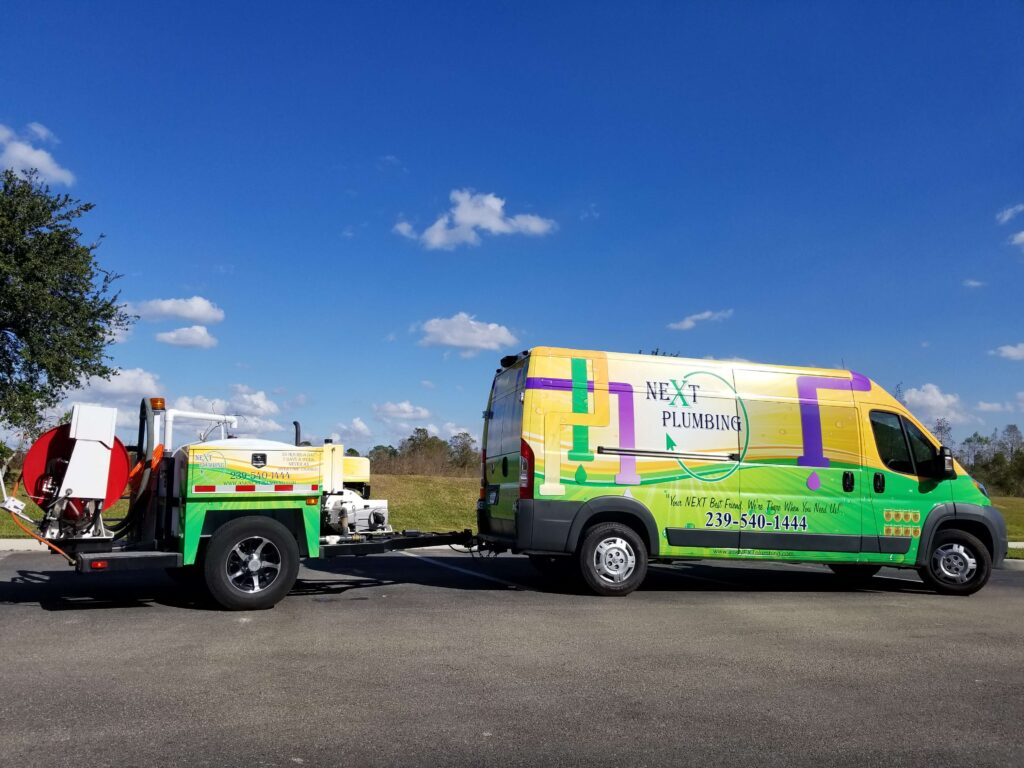
With over 30 years of experience, we’re committed to community-focused service, working alongside local charities and providing comprehensive plumbing services.
Before you can fix the problem, it helps to recognize it early. Watch for these common warning signs:
- Slow-draining water in sinks, tubs, or showers
- Gurgling noises coming from your drains or toilet
- Unpleasant odors rising from sinks or floor drains
- Standing water that won’t fully drain after a few minutes
- Multiple fixtures backing up at once, which often points to a main sewer line clog rather than a single drain issue
If you’re noticing more than one of these signs, it’s a strong indication that the clog has moved beyond a simple surface-level blockage.
Common Causes of a Clogged Drain
Every drain in your home is vulnerable to different types of buildup depending on how it’s used. Here’s a breakdown of what typically causes clogs in each part of your Fort Myers, FL property:
1. Kitchen Sink Clogs
- Grease and cooking oil that solidifies inside pipes
- Food particles, coffee grounds, and eggshells
- Improper use of a garbage disposal
2. Bathroom Drain Clogs
- Hair buildup in shower and tub drains
- Soap scum and mineral deposits
- Excess toothpaste or shaving cream residue
3. Toilet Clogs
- Flushing “flushable” wipes, paper towels, or feminine hygiene products
- Excessive toilet paper use
- Foreign objects accidentally dropped in
4. Main Sewer Line Clogs
- Tree root intrusion into older pipes
- Structural pipe damage or collapse
- A buildup of years of debris moving downstream
How to Unclog a Drain: DIY Methods That Sometimes Work
For minor, surface-level clogs, homeowners can often try a few safe methods before calling a professional:
- Boiling water flush — Carefully pour boiling water down the drain in stages to help break up grease and soap buildup.
- Baking soda and vinegar — A natural combination that can loosen minor organic buildup when followed by hot water.
- Plunging — A standard cup plunger works well on sinks and tubs; a flange plunger is better suited for toilets.
- Removing visible debris — Use gloves to clear hair or debris from a stopper or drain cover.
These methods can help with light clogs, but they aren’t a permanent fix for deeper blockages, and repeated chemical drain cleaner use can actually damage older pipes over time.
When to Call a Professional Plumber
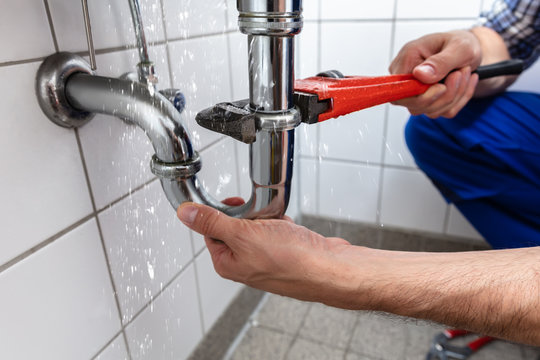
If your clogged drain keeps coming back, affects multiple fixtures, or doesn’t respond to basic home remedies, it’s time to bring in a professional. At Next Plumbing, our Fort Myers, FL technicians use professional-grade tools such as motorized drain snakes and video camera inspections to identify exactly where a blockage is located and clear it without damaging your pipes.
Here’s what a professional drain cleaning service typically includes:
Recommendations to prevent the same clog from recurring
A full inspection of the affected drain or fixture
Identification of the clog’s location and cause
Mechanical drain snaking or hydro jetting to clear the blockage
A final check to confirm proper drainage and flow
Drain Cleaning vs. Sewer Line Cleaning: What’s the Difference?
Not all clogs are created equal, and understanding the difference helps you know what kind of service to request.
- Drain cleaning addresses individual clogs in a specific sink, tub, shower, or toilet line.
- Sewer line cleaning addresses blockages in the main line that carries wastewater from your home to the municipal sewer or septic system, often caused by tree roots or years of accumulated debris.
If more than one drain in your Fort Myers, FL home is clogged at the same time, the issue is likely in the main sewer line rather than an individual fixture, and it requires specialized equipment to resolve safely.
How to Prevent Future Clogged Drains
Prevention is always more affordable than emergency drain repair. Here are a few habits that help keep your pipes clear:
Avoid flushing anything other than toilet paper and human waste
- Use a drain strainer to catch hair and food particles before they enter the pipe
- Avoid pouring grease or oil down the kitchen sink
- Run hot water through drains regularly to prevent buildup
- Schedule annual or biannual professional drain cleaning as preventive maintenance
Frequently Asked Questions About Clogged Drains
What’s the difference between drain snaking and hydro jetting?
A drain snake uses a flexible motorized cable to physically break through or pull out a clog, making it a good fit for localized blockages like hair or a solid object. Hydro jetting uses high-pressure water to scour the full interior of the pipe, clearing grease buildup, sludge, and minor root intrusion more thoroughly — often the better choice for recurring clogs or main line maintenance.
Is hydro jetting safe for older pipes?
It depends on the condition of the plumbing. Modern PVC and well-maintained pipes generally handle hydro jetting without issue, but pipes that are already corroded, cracked, or significantly aged may need a gentler approach. A camera inspection beforehand helps a technician confirm whether a home’s pipes can safely handle the water pressure.
Can Fort Myers’ flat terrain or high water table affect my drains and sewer line?
Yes. Southwest Florida’s flat landscape and high water table can slow natural drainage and put added pressure on sewer lines, especially during the rainy season when groundwater levels rise. Homes in low-lying areas of Fort Myers may be more prone to slow drainage or backups, which makes routine maintenance especially valuable in this region.
Don’t Let a Clogged Drain Disrupt Your Home
A clogged drain rarely gets better on its own, and the longer it sits, the more likely it is to lead to bigger, more expensive plumbing problems down the road. If you’re dealing with a stubborn clog in your Fort Myers, FL home, the team at Next Plumbing is ready to help you get things flowing again — quickly, safely, and with a lasting solution.
Reach out to Next Plumbing today to schedule your drain cleaning service in Fort Myers, FL, and let our experienced technicians take the stress out of your plumbing problem.