
A sudden bang from your water heater can be alarming, especially when it happens while you’re taking a shower or running the dishwasher. If your water heater is making banging, popping, or booming noises, it may be signaling a problem that needs professional attention. Ignoring these sounds could allow a minor issue to develop into a more expensive repair.
At Next Plumbing, we help homeowners in Fort Myers, FL, address water heater problems and restore dependable hot water. Unusual noises can have several causes, from mineral sediment accumulating inside the tank to pressure changes in your plumbing system. Understanding what these sounds may indicate can help you decide when to schedule a professional inspection.
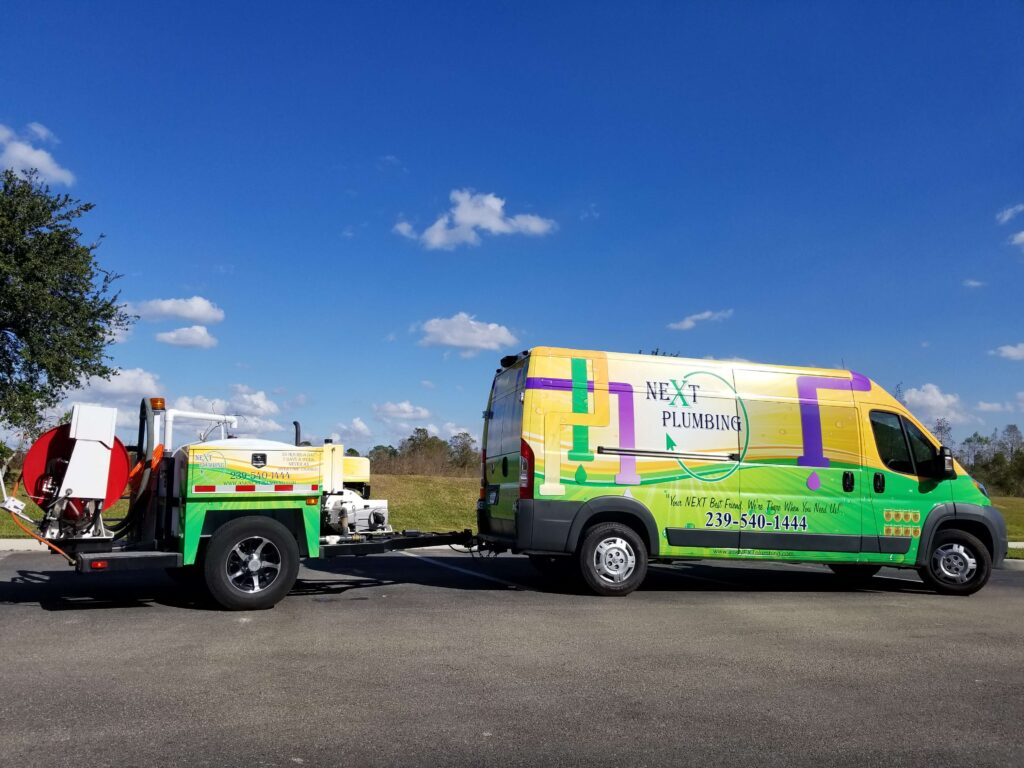
With over 30 years of experience, we’re committed to community-focused service, working alongside local charities and providing comprehensive plumbing, and HVAC services.
What Causes a Water Heater to Make Banging or Popping Noises?
The first step in addressing a noisy water heater is identifying where the sound originates and when it occurs. A noise coming from inside the tank may have a different cause than a bang coming from the pipes.
Sediment Buildup Inside the Water Heater Tank
Sediment buildup is one of the most common reasons a traditional tank-style water heater produces popping, crackling, or rumbling sounds. Minerals naturally present in water can settle at the bottom of the tank over time, gradually forming deposits.
When the burner or heating element warms the water, pockets of water beneath the sediment can become extremely hot and produce steam bubbles. As those bubbles escape through the mineral deposits, they create popping or rumbling noises.
You might notice these sounds when the water heater starts a heating cycle or after your household uses a substantial amount of hot water.
Accumulated sediment can also interfere with heat transfer, causing the appliance to work harder. Our plumbers can inspect the unit and determine whether professional flushing or another repair is appropriate.
Water Hammer in Your Plumbing Pipes
If you hear a sharp bang when a faucet closes, a washing machine stops filling, or a dishwasher finishes drawing water, the noise may come from water hammer rather than the water heater itself.
Water hammer occurs when moving water stops or changes direction abruptly, creating a pressure surge that travels through the pipes. The resulting impact can make plumbing lines knock against nearby framing or other surfaces.
Possible contributing factors include:
- Rapidly closing valves in faucets or appliances.
- Plumbing pipes that are not adequately secured.
- Missing, ineffective, or improperly functioning water hammer protection.
Our team can investigate the source of the banging and recommend an appropriate plumbing repair.
Thermal Expansion and Pressure-Related Problems
Water expands as it heats. Depending on the plumbing system’s configuration, that expansion can contribute to pressure changes within the water heater and connected pipes.
These changes may cause knocking, tapping, or other unusual sounds. A faulty pressure-regulating component or an issue involving the temperature and pressure relief system may also require attention.
Because pressure-related problems can involve safety concerns, we recommend having a plumber evaluate persistent or unusually loud noises instead of assuming they are harmless.
When Should You Worry About a Booming Water Heater?
Not every water heater noise indicates a serious malfunction. Occasional light ticking can occur as metal components expand and contract during heating. However, a loud boom, persistent banging, or a sound that suddenly changes deserves closer attention.
Pay attention to other symptoms accompanying the noise, including:
- Water around the tank: Puddles, dripping connections, or visible tank corrosion may indicate a leak.
- Inconsistent hot water: Water that becomes lukewarm quickly or fluctuates unexpectedly can point to a heating or capacity problem.
- Unusual valve activity: Hissing, whistling, or water discharging from the temperature and pressure relief valve warrants prompt evaluation.
- A burning smell or gas odor: These symptoms should never be ignored.
If you smell gas, leave the building without operating electrical switches or using anything that could create a spark. Contact your gas utility or emergency services from a safe location. If you notice a leak or a pressure-relief valve discharging water, keep away from hot water or steam and seek professional assistance promptly.
For other persistent or worsening noises, arranging a plumbing inspection can help prevent further damage.
How We Diagnose and Repair a Noisy Water Heater
At Next Plumbing, we approach unusual water heater noises by investigating the symptoms instead of assuming every sound has the same cause. The right solution depends on the type of heater, its condition, and the circumstances surrounding the noise.
Inspecting the Tank and Heating Components
We can examine the water heater for visible leaks, corrosion, sediment-related symptoms, and signs of component wear. For electric models, the heating elements and associated controls may need evaluation. For gas models, the burner and related components may require inspection.
This assessment helps us determine whether the noise is likely originating inside the tank or elsewhere in the plumbing system.
Evaluating Plumbing Connections and Water Pressure
If the sound appears to come from the pipes, we can investigate possible water hammer, loose pipe connections, and pressure-related concerns.
The solution might involve correcting a plumbing connection, addressing a pressure issue, or installing or servicing an appropriate protective component. We base our recommendations on the condition of your system rather than treating every noise as a tank problem.
Determining Whether Repair or Replacement Makes Sense
Some noisy water heaters can be restored to proper operation through maintenance or component repairs. Others may have extensive deterioration or multiple problems that make replacement a more practical option.
We consider the unit’s age, overall condition, repair needs, and performance when evaluating the available options. Our goal is to help you understand the problem and make an informed decision about your home’s hot water system.
If your water heater is already leaking or showing signs of significant corrosion, further assessment is especially important.
What to Do When Your Water Heater Starts Making Noise
When you hear an unfamiliar bang or pop, avoid opening the tank or attempting to adjust gas connections, electrical components, or pressure-relief devices yourself.
Instead, take these practical steps:
- Notice when the sound occurs. Record whether it happens during heating, while running hot water, or when an appliance shuts off.
- Check for visible warning signs from a safe distance. Look for water around the unit, visible corrosion, or other obvious changes without touching hot components.
- Avoid unnecessary adjustments. Do not remove covers, dismantle valves, or attempt repairs that could expose you to hot water, electricity, gas, or pressure.
- Arrange a professional inspection. Share the type of noise and any other symptoms so the plumber can investigate the likely cause.
These observations can help us narrow down the issue and determine the appropriate next step.
Frequently Asked Questions About Water Heater Noises
Yes, certain problems that cause water heater noises can also reduce efficiency. For example, sediment buildup in a tank-style unit may interfere with heat transfer, potentially increasing energy consumption. The actual impact depends on the condition of the equipment and how frequently your household uses hot water.
A water heater’s lifespan depends on its type, installation, water quality, usage, and maintenance history. As a general guideline, conventional storage-tank models often last around 8–12 years, while tankless models may last longer. Regular inspections can help identify deterioration and determine when replacement should be considered.
A newly installed water heater may produce occasional sounds as pipes expand and contract or water moves through the plumbing system. However, persistent banging, loud popping, or booming should not automatically be considered normal. Have a qualified plumber inspect the installation and connections to determine whether an adjustment or repair is needed.
Contact Next Plumbing for Water Heater Repair in Fort Myers, FL
Banging, popping, and booming sounds are worth investigating before they lead to more disruptive plumbing problems. Whether your water heater has accumulated sediment, your pipes are experiencing water hammer, or a component needs attention, identifying the cause is the first step toward restoring reliable hot water.
At Next Plumbing, we provide water heater repair services for homeowners in Fort Myers, FL, and the surrounding area. We can assess your noisy water heater, explain our findings, and recommend an appropriate solution for your system.
Don’t let an unusual sound become an ongoing concern. Call Next Plumbing at 239-540-1444 or visit our contact page to schedule service.
Learn more about our water heater repair services in Fort Myers, FL, and let our team help you get your hot water system back on track.