
Your water bill just jumped for no obvious reason. Part of your lawn looks like a swamp while the rest is bone dry. You can hear a faint hiss near the sprinkler valve box, even when the system isn’t running. If any of this sounds familiar, you’re not imagining things — you likely have an irrigation leak, and in Fort Myers, FL, that’s a problem worth taking seriously before it drains your wallet or your yard.
The most common signs of a sprinkler or irrigation leak are unusually high water bills, soggy or sunken patches of lawn, low water pressure at the sprinkler heads, water pooling near valve boxes, and a water meter that keeps running even when every fixture and zone is off. Left unaddressed, these leaks can waste thousands of gallons of water, erode your yard’s foundation soil, and eventually affect the plumbing lines connected to your home.
Below, we’ll walk through exactly what to look for, why irrigation leaks are especially common in Southwest Florida, and what to do once you suspect a problem.
Why Irrigation Leaks Are So Common in Fort Myers, FL
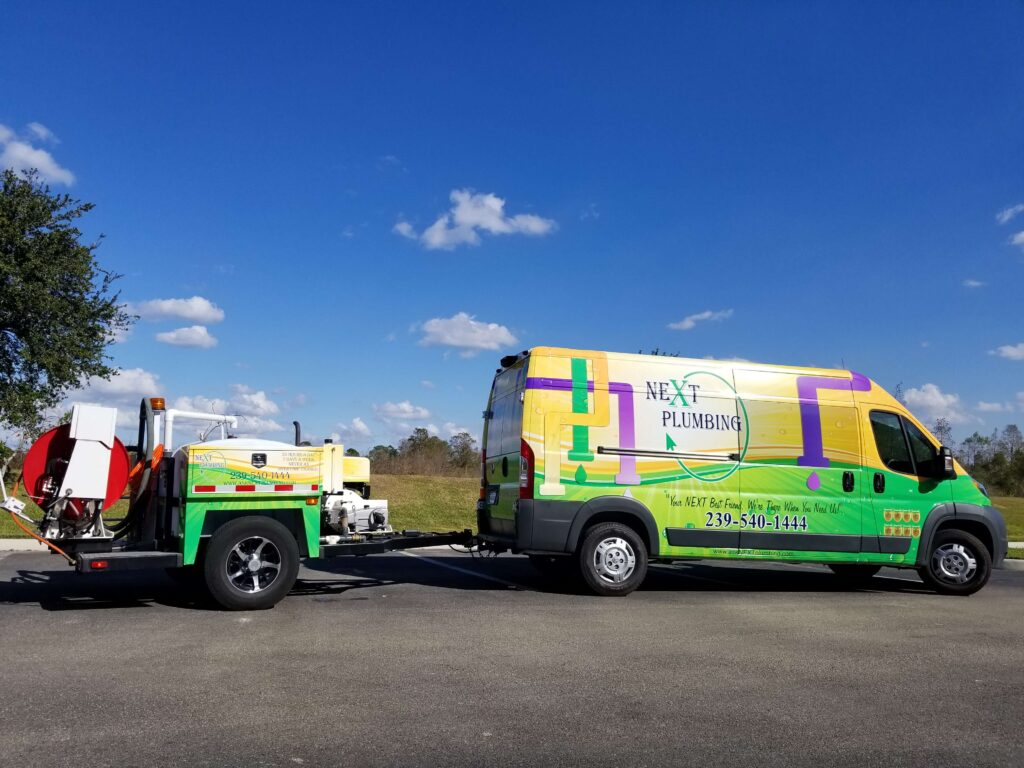
With over 30 years of experience, we’re committed to community-focused service, working alongside local charities and providing comprehensive plumbing, and HVAC services.
Fort Myers’ sandy soil, seasonal heavy rains, and year-round irrigation use create ideal conditions for sprinkler system leaks. Underground irrigation lines shift with soil erosion, tree roots seek out moisture and can crack PVC piping, and the region’s hard water contributes to valve and fitting corrosion over time. Add in the sheer number of watering cycles a Florida lawn runs through each week, and it’s easy to see why irrigation leaks show up more often here than in drier climates.
Because most sprinkler piping is buried, a leak can run for weeks before it becomes obvious above ground. That’s exactly why knowing the early warning signs matters.
Unusually High Water Bills
This is often the first clue homeowners notice. Irrigation leaks can silently waste hundreds or even thousands of gallons of water each month.
- Compare your last two or three water bills. A steady, unexplained increase — especially if your household water use hasn’t changed — is a red flag.
- If your irrigation system runs on a separate meter, check that meter directly rather than relying on your household bill alone.
- Rule out other culprits first, like a running toilet or a leaking water heater, before assuming the irrigation system is to blame.
If your bill keeps climbing and you can’t pinpoint the source, professional leak detection in Fort Myers, FL can confirm whether the irrigation line is the culprit.by a team experienced in local conditions. Our leak detection services are built specifically around these regional challenges.
Soggy, Sunken, or Unusually Green Patches of Lawn
A leaking irrigation line often reveals itself right at the surface, even though the pipe is buried.
Watch for:
- Soft, spongy, or muddy ground in an area that should be dry between watering cycles
- A sunken or depressed section of lawn, which can indicate soil erosion caused by water escaping underground
- A patch of grass that’s noticeably greener or growing faster than the surrounding lawn, since it’s getting extra, unintended water
- Mushrooms or fungal growth in one concentrated area, a sign of persistent excess moisture
These symptoms tend to appear along the path of a buried supply line or near a sprinkler head connection.
Low or Uneven Water Pressure at the Sprinkler Heads
If water is escaping somewhere along the line, the heads at the end of that zone won’t get full pressure.
Signs to watch for include:
- Sprinkler heads that barely mist instead of spraying properly
- One zone performing noticeably worse than the others
- Heads that used to pop up fully now barely rising above the grass
- Uneven coverage, with some areas of the lawn well-watered and others left dry
A sudden pressure drop in a single zone almost always points to a break or crack somewhere in that zone’s piping.
Water Pooling Near Valve Boxes or Backflow Preventers
Your irrigation system’s valve boxes and backflow preventer are common failure points, since they contain multiple fittings, seals, and connections.
- Standing water inside or around a valve box, even hours after the system last ran, usually means a valve or fitting is leaking.
- Constant dripping or spraying from the backflow preventer assembly is a clear sign of a failed seal.
- Corrosion or mineral buildup on fittings can be an early warning that a leak is developing.
Because these components sit close to your home’s main water supply, a failing backflow preventer can sometimes affect more than just the irrigation system — another reason to have it checked alongside your home’s broader commercial plumbing systems if you manage a business property, or your residential plumbing if you’re a homeowner.
The Water Meter Test: A Simple DIY Check
You don’t need special equipment to get a strong indication of a leak. This is the same basic principle used in home leak detection, applied to your irrigation system.
How to test it
- Turn off all water use inside and outside the home, including the irrigation system.
- Locate your water meter and note the reading.
- Wait 15 to 30 minutes without using any water.
- Check the meter again.
If the reading changed, water is flowing somewhere it shouldn’t be. If your irrigation system runs on its own dedicated meter, repeat the test with only the irrigation supply valve open (system still off) to isolate the issue specifically to your sprinklers.
Sound and Smell Clues Worth Paying Attention To
Sometimes a leak announces itself before you see any visible damage.
- Hissing or bubbling sounds near valve boxes or underground lines, particularly right after the system shuts off
- A musty or mildew smell in a specific outdoor area, which can indicate prolonged standing moisture
- Water hammer or unusual noise in your home’s pipes when the irrigation system kicks on, which can sometimes point to a pressure issue tied to the leak
If you’re also noticing odd sounds inside the house, it’s worth having your indoor plumbing checked at the same time, since irrigation and household supply lines can sometimes share a connection point.
What Happens If an Irrigation Leak Goes Unaddressed
A small irrigation leak rarely stays small. Over time, an undetected leak can lead to:
- Foundation and hardscape issues as saturated soil shifts and settles unevenly
- Higher water bills that compound month after month
- Wasted water, which matters both for your budget and for regional water conservation efforts
- Damage to landscaping from overwatering in one area and underwatering in another
- Erosion around driveways, walkways, and patios where soil washes out from beneath the surface
Because irrigation lines are typically buried a foot or more underground, guessing at the leak location often means unnecessary digging. That’s where professional detection tools make a real difference.
How Professional Leak Detection Finds the Problem Without Tearing Up Your Yard
At Next Plumbing, we use the same precision-focused approach for irrigation leaks that we use for indoor and slab leaks. Rather than digging test trenches across your yard, our team relies on:
- Acoustic detection equipment to listen for the distinct sound of water escaping underground
- Moisture and pressure testing to isolate which zone or line is affected
- Visual inspection of valve boxes, backflow preventers, and accessible fittings
- Ground-penetrating tools to narrow down the leak’s exact location before any digging begins
This targeted approach means less disruption to your landscaping and a faster path to repair. It’s the same philosophy behind our broader leak detection services in Fort Myers, FL, applied specifically to irrigation systems.
Frequently Asked Questions
How much water can a sprinkler leak actually waste?
Even a small, steady leak can waste hundreds of gallons per week, and a more significant break can waste thousands of gallons in a single month. The exact amount depends on the leak’s size, water pressure, and how often the system runs.
Can a sprinkler system leak affect my home’s plumbing?
In most setups, irrigation lines are separate from household supply lines, but they typically connect to the same main water source through a backflow preventer. A failing backflow preventer or a leak near that connection point can sometimes influence household water pressure, which is why it’s worth having both checked together.
Is it normal for the ground to be slightly damp after watering?
Some residual moisture right after a watering cycle is normal. Persistent dampness hours later, especially in a concentrated spot rather than spread evenly across the lawn, is not.
How do I know if the leak is in my irrigation system or my main water line?
The water meter test is a good starting point. If you have a separate irrigation meter, test that one in isolation. If you don’t, a professional can help distinguish between the two using targeted diagnostic tools rather than guesswork.
Do you offer leak detection for irrigation systems specifically, or just household plumbing?
Next Plumbing provides leak detection for a wide range of situations, including irrigation and outdoor supply lines, slab leaks, and hidden leaks behind walls or under floors throughout the Fort Myers area.
Stop Guessing — Get Your Sprinkler Leak Found and Fixed
A sprinkler or irrigation leak rarely gets better on its own. The longer it runs, the more it costs you in water, landscaping damage, and potential structural issues around your property. If you’ve noticed soggy patches, rising water bills, or weak sprinkler pressure, it’s time to get an accurate answer instead of digging around and hoping for the best.
Next Plumbing has been serving homeowners and businesses throughout Fort Myers, FL for over 30 years, with true 24/7 emergency availability, transparent pricing, and advanced leak detection technology that finds the problem without unnecessary digging.
Visit our Contact Us page to schedule irrigation leak detection in Fort Myers, FL. The sooner we find it, the sooner your yard — and your water bill — can get back to normal.